
How to test the spark plug
Created by Chris McHale, Modified on Wed, 1 Jul at 11:25 AM by Chris McHale
If your petrol garden machine will not start, testing the spark plug is one of the first checks you should carry out. A faulty or dirty spark plug can prevent the engine from producing the spark needed to ignite the fuel.
This guide explains how to clean and test the spark plug safely.
Quick Answer
To test a spark plug:
- Remove the spark plug from the engine.
- Reconnect it to the spark plug cap.
- Hold the threaded metal body against a clean metal part of the engine.
- Hold the engine brake or start lever (if fitted).
- Pull the starter cord and look for a strong blue or white spark at the electrode.
If there is no visible spark, the spark plug or ignition system may be faulty.
Before You Begin
Before testing the spark plug:
- Switch off the engine and allow it to cool completely.
- Work in a well-ventilated area away from fuel vapours or other sources of ignition.
- Wear suitable personal protective equipment (PPE), including gloves and eye protection.
- Carry out the test in a shaded area where the spark is easier to see.
Tools required:
- Spark plug spanner or spark plug socket
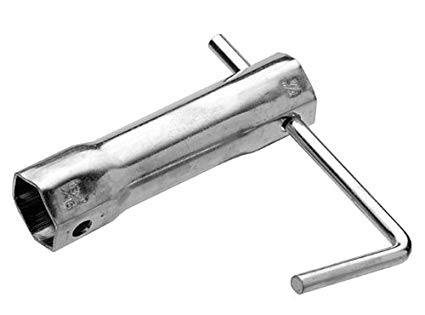
- Wire brush
- Clean cloth
Take care not to touch the metal parts of the spark plug while carrying out the spark test.
Steps
Step 1 – Clean the Spark Plug
Before testing, inspect the spark plug for:
- Carbon deposits.
- Dirt.
- Oil contamination.
- Damaged electrodes.
Clean the spark plug using a wire brush or wipe it with a clean cloth lightly dampened with petrol.
Ensure the electrode is clean before testing.
Step 2 – Remove the Spark Plug
Pull the spark plug cap from the spark plug.
Using a spark plug spanner:
- Turn the spark plug anti-clockwise.
- Remove it carefully from the engine.
Inspect the spark plug for signs of excessive wear or damage.
Step 3 – Reconnect the Spark Plug
Insert the spark plug back into the spark plug cap.
Allow it to hang securely from the ignition lead.
Step 4 – Earth the Spark Plug
Press the threaded metal body of the spark plug firmly against a clean, unpainted metal part of the engine.
This provides the earth connection required for the spark test.
Step 5 – Test for a Spark
If your machine has an engine brake or start lever, hold it in the operating position.
Pull the starter cord as though starting the engine.
Watch the tip of the spark plug carefully.
A healthy ignition system should produce a strong blue or white spark across the electrodes.
Frequently Asked Questions
How do I know if my spark plug is working?
A working spark plug produces a strong blue or white spark across the electrodes each time the engine is turned over.
What if there is no spark?
If there is no spark after cleaning the plug, replace it with a new spark plug of the correct specification.
If a new spark plug also fails to spark, the fault may lie with the ignition coil, ignition lead or stop/start circuit.
Can a dirty spark plug stop a petrol engine from starting?
Yes. Carbon deposits, oil contamination or excessive wear can prevent the spark plug from producing a reliable spark, making the engine difficult or impossible to start.
Should I clean or replace the spark plug?
A lightly contaminated spark plug can often be cleaned and reused. Replace the spark plug if it is damaged, heavily fouled, the electrode is worn or cleaning does not restore a good spark.
What else should I check if the spark plug is working?
If a strong spark is present but the engine still will not start, check:
- The fuel is fresh and less than 30 days old.
- The engine oil is at the correct level.
- The air filter is clean.
- The engine brake cable is correctly adjusted.
- Fuel is reaching the carburettor.
Is it safe to test a spark plug by holding it?
Always hold the spark plug by the insulated cap or ignition lead and keep your hands away from the metal body during the test to avoid receiving an electric shock.
Was this article helpful?
That’s Great!
Thank you for your feedback
Sorry! We couldn't be helpful
Thank you for your feedback
Feedback sent
We appreciate your effort and will try to fix the article